Technical Information
| Specifications | Value | Unit |
|---|---|---|
| Capacity | 4-500 | t/h |
| Gold Absorption | 0.5-1-40-60 | t/h |
| Raw Material | Gold ore | |
| Feed Size | <200-300 | mm |
| Raw Ore Content | 5 | % |
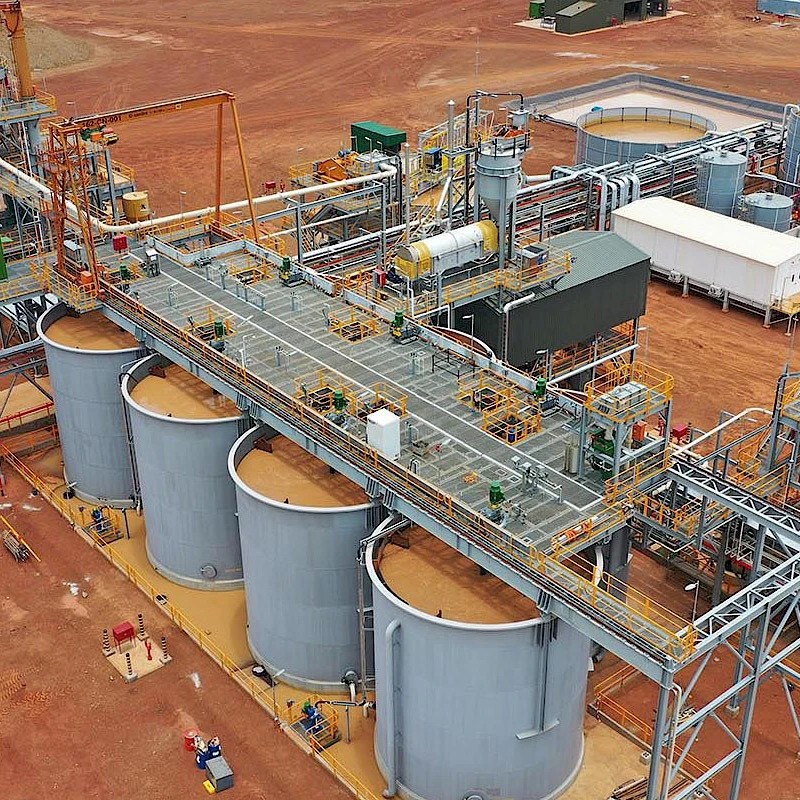
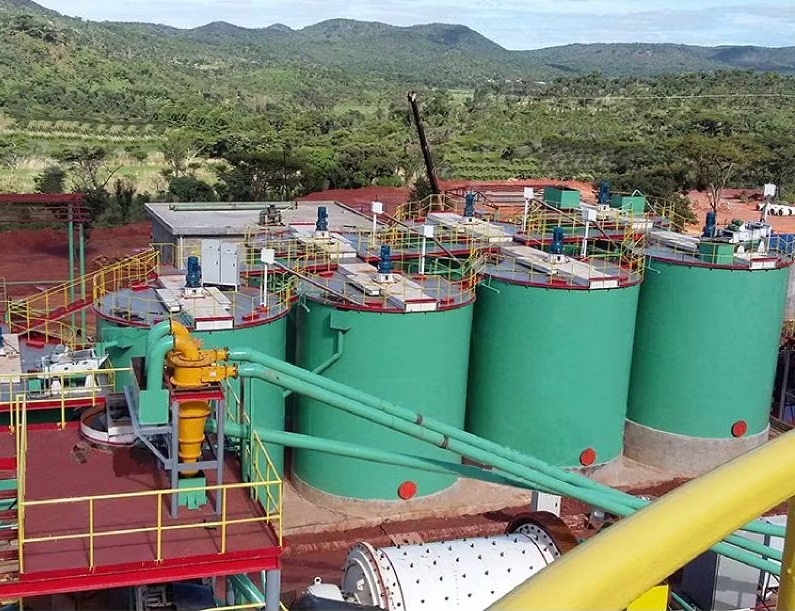
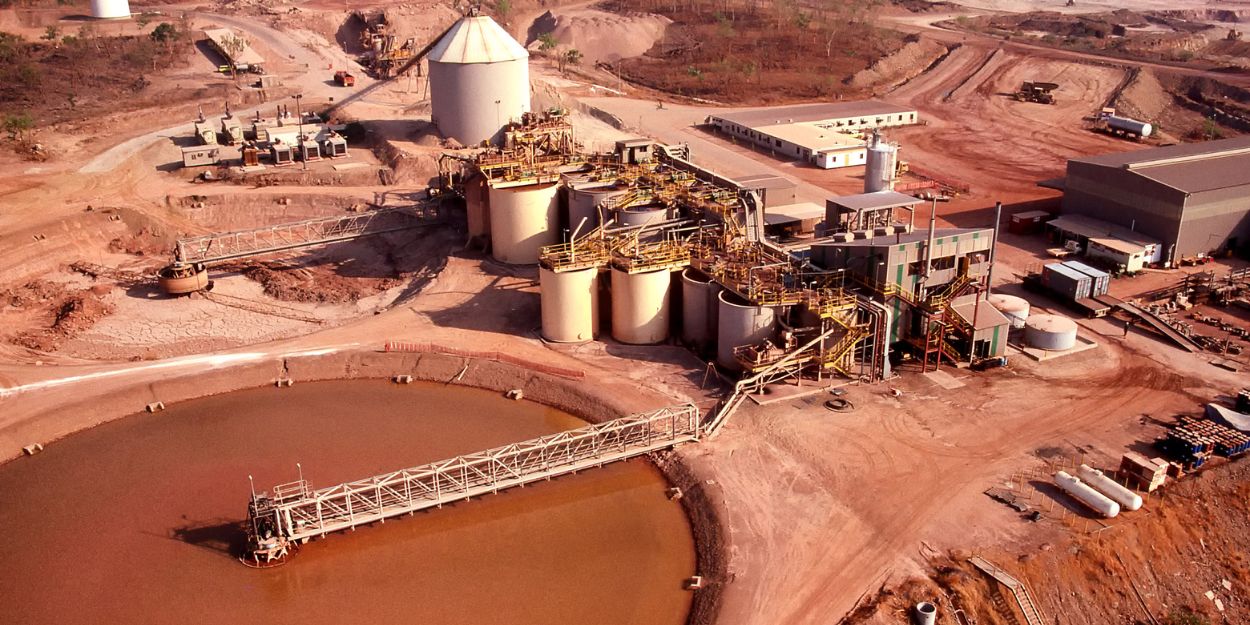
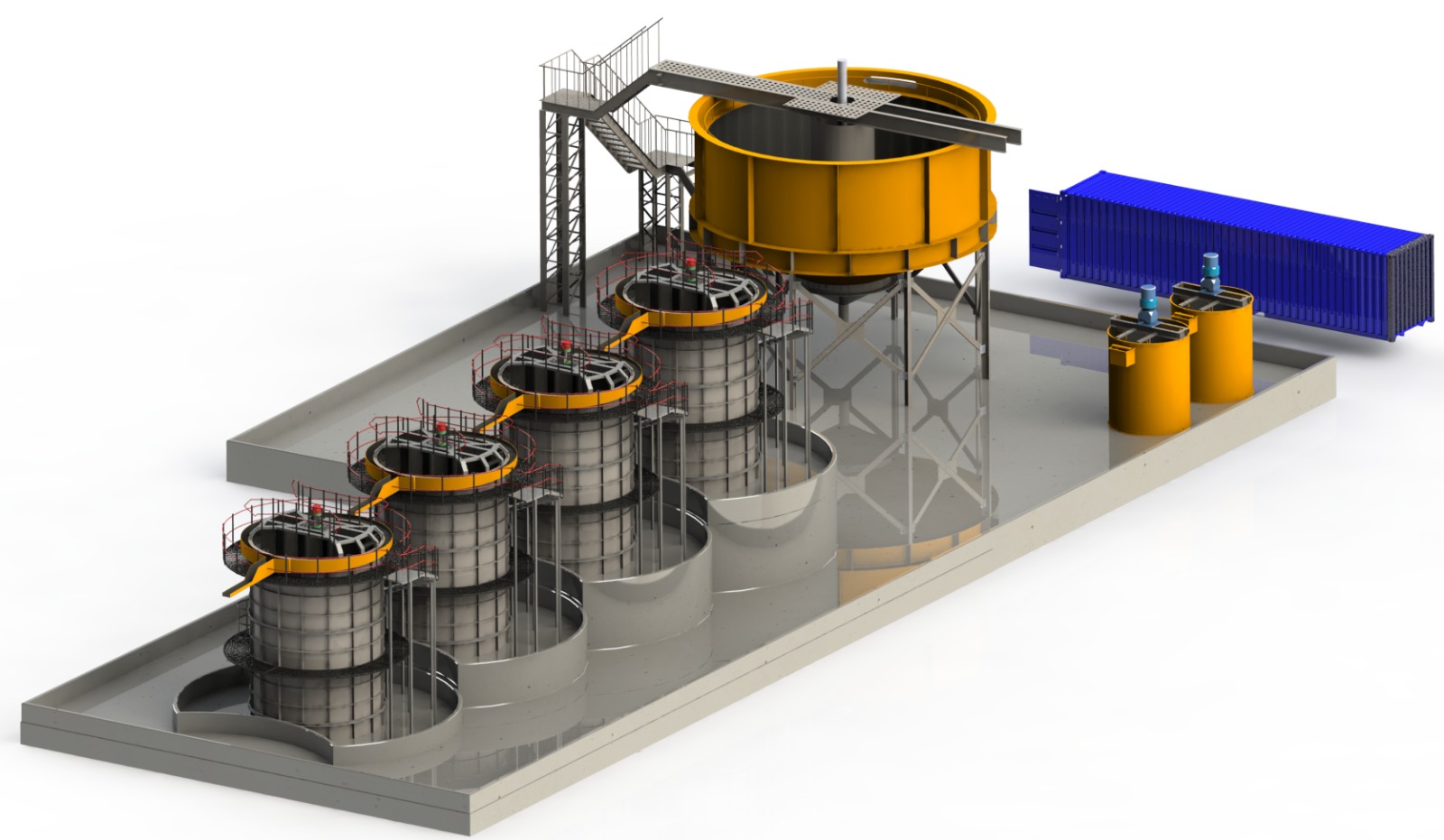
Gold CIP (Carbon in Pulp) is a common method for extracting gold from ore. It involves using activated carbon to adsorb gold from a cyanide solution, followed by eluting and regenerating the carbon for reuse. This process is effective for treating oxidized ore with high-grade gold.
Gold CIP Process: The CIP gold process relies on oxidation leaching with activated carbon, which boosts gold recovery rates. Key steps include crushing, grinding, leaching pretreatment, carbon adsorption, gold-laden carbon desorption, electrolysis, and tailings water recycling.
Processing Stages:
- Crushing and grinding: gold ore is first crushed and ground to an extremely fine particle size to match the size of the subsequent gold extraction process.
- Leaching: typically, cyanide is added to the suspension as a leaching agent to help dissolve the gold in the ore.
- Adsorption: this involves the introduction of activated carbon into the suspension, capable of selectively adsorbing gold from the suspension.
- Carbon separation: a suspension containing gold-laden carbon particles is passed through sieves or filters to separate the carbon from the suspension.
- Elution: this involves using chemical cleaning agents to remove adsorbed gold from carbon particles. This is mainly done by washing with a hot caustic/cyanide solution.
- Electrolysis: an electric current causes the electrochemical deposition of gold on the cathode, forming solid metallic gold.
- Smelting: the gold deposited on the cathode is generally melted and refined by smelting to form ingots or other shapes.
- Regeneration: spent carbon is heated to high temperatures, usually in a furnace or kiln, to remove impurities and restore its adsorption capacity.